The trucking industry is evolving rapidly as new technology, regulatory changes, workforce challenges, and economic pressures reshape how goods move across Tennessee and the nation. In 2026, these shifts are expected to significantly impact road safety, truck accident liability, and the rights of injured motorists.
For Tennessee drivers, understanding trucking industry trends is not just informative — it explains why accidents happen, how liability is determined, and what victims can expect when pursuing a truck accident claim. At Tennessee Accident Law, we track these developments closely because they directly affect how we hold trucking companies accountable after serious crashes.
This article explores the most important trucking industry trends in 2026 and what they mean for Tennessee drivers.
If you have immediate questions, call us at (615) 212-9866 or complete our free case evaluation form now.
1. Increased Freight Volume Across Tennessee
Tennessee’s central location makes it a critical logistics corridor.
Key factors driving freight growth
- Expansion of e-commerce
- Growth of distribution hubs in Memphis, Nashville, and Chattanooga
- Increased regional and long-haul shipping
- Population growth and consumer demand
Impact on drivers
- More trucks on interstates like I-40, I-65, I-24, and I-75
- Increased congestion
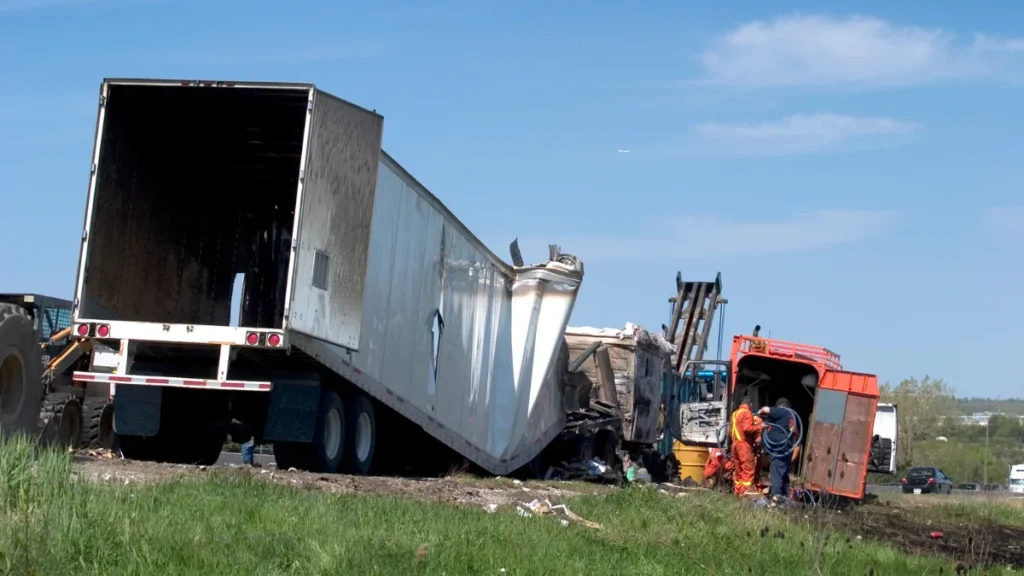
- Higher risk of truck-related crashes
Higher traffic volume increases the likelihood of accidents involving fatigued or rushed drivers.
2. Ongoing Truck Driver Shortage
Despite recruitment efforts, the trucking industry continues to face a driver shortage in 2025.
Why this matters
- Longer shifts
- Increased pressure to meet delivery deadlines
- Less experienced drivers on the road
- Higher turnover
Legal impact
Driver fatigue, inexperience, and inadequate training frequently contribute to negligence in truck accident cases.
3. Greater Use of Technology and Telematics
Trucking companies are increasingly relying on technology to monitor performance.
Common technologies include:
- Electronic Logging Devices (ELDs)
- GPS tracking
- Speed governors
- Driver-facing cameras
- Collision-avoidance systems
Legal impact
While these technologies are designed to improve safety, they also:
- Create detailed electronic evidence
- Reduce the ability to deny misconduct
- Strengthen accident claims when violations occur
4. Heightened Regulatory Enforcement
Federal and state regulators continue to increase oversight.
2026 enforcement priorities include:
- Hours-of-Service compliance
- Drug and alcohol testing
- Vehicle maintenance
- Driver qualification standards
- Data integrity
Legal impact
Stricter enforcement makes regulatory violations easier to prove in court, strengthening claims for injured victims.
5. Increased Focus on Corporate Accountability
Regulators and courts are shifting focus from individual driver error to systemic company failures.
Common issues under scrutiny
- Unsafe dispatch practices
- Pressure to violate safety rules
- Poor maintenance policies
- Inadequate supervision
Legal impact
These failures support claims of:
- Negligent hiring
- Negligent training
- Negligent supervision
Corporate accountability often increases settlement values.
6. Rising Insurance Costs for Trucking Companies
Insurance premiums for trucking companies continue to rise in 2025.
Why this matters
- Insurers aggressively defend claims
- Early low settlement offers are common
- Litigation is more likely
Experienced legal representation becomes even more important for victims.
7. More Litigation and Fewer Quick Settlements
As claims grow more expensive, trucking insurers are:
- Challenging liability more aggressively
- Pushing cases toward litigation
- Contesting damages
Legal impact
Truck accident cases are taking longer — but properly prepared cases often result in higher compensation.
8. Growth of Regional and Last-Mile Trucking
E-commerce growth has increased:
- Regional delivery trucks
- Local distribution fleets
- Last-mile commercial vehicles
Impact on Tennessee roads
- More trucks on surface streets
- Increased risk in residential and urban areas
- More collisions involving smaller commercial trucks
These cases still involve commercial liability and higher insurance limits.
9. Increased Use of Independent Contractors
Some trucking companies continue to classify drivers as independent contractors.
Legal impact
Misclassification can:
- Expand liability
- Invalidate certain defenses
- Expose companies to additional claims
Courts increasingly scrutinize contractor arrangements after serious crashes.
10. Public Awareness of Truck Safety Issues
Media coverage and public scrutiny of trucking safety are increasing.
Why this matters
- Juries are more informed
- Corporate safety failures resonate more strongly
- Punitive damages are more likely in egregious cases
What These Trends Mean for Tennessee Drivers
In 2026:
- Truck accidents may become more complex
- Evidence will play a larger role
- Corporate negligence will be easier to prove
- Insurance companies will fight harder
Drivers injured in truck accidents need to be prepared for a more aggressive legal process.

How Tennessee Accident Law Stays Ahead of Industry Trends
Our firm continuously adapts to changes in the trucking industry.
We:
- Monitor regulatory updates
- Leverage electronic evidence
- Identify corporate safety failures
- Work with industry experts
- Prepare cases for trial
This proactive approach maximizes results for our clients.
What to Do After a Truck Accident in 2026
If you’re injured:
- Seek immediate medical care
- Avoid insurer communications
- Preserve any evidence
- Contact a truck accident lawyer quickly
Early action remains critical — regardless of industry changes.
Get Help From a Tennessee Truck Accident Lawyer
The trucking industry is evolving — but your right to compensation remains.
Call Tennessee Accident Law at 615-212-9866
Or request your free case evaluation here:
https://tennesseeaccident.law/free-case-evaluation/
We understand the trends. We understand the law. And we fight for you.
Sources
- American Trucking Associations (ATA) — Industry trends and data
https://www.trucking.org - Federal Motor Carrier Safety Administration (FMCSA) — Compliance and enforcement updates
https://www.fmcsa.dot.gov - U.S. Bureau of Transportation Statistics (BTS) — Freight and trucking data
https://www.bts.gov