Amazon Relay has rapidly become one of the most visible names in modern trucking. Through its Relay platform, Amazon connects thousands of contracted motor carriers and owner-operators to move freight to and from fulfillment centers across Tennessee. With tight delivery windows, high traffic around warehouses, and constant pressure to keep freight moving, Amazon Relay–related truck accidents are increasingly common—and truck drivers are often injured through no fault of their own.
At Tennessee Accident Law, we represent truck drivers injured in Amazon Relay–related truck accidents caused by negligent motorists, unsafe warehouse operations, improper loading, unrealistic scheduling, or third-party negligence. If you were injured while hauling an Amazon Relay load—or injured in a crash involving a truck operating under Amazon Relay—this article explains how these cases work, why liability can be complex, and how injured truck drivers in Tennessee can pursue full compensation beyond workers’ compensation.
If you have immediate questions, call us at (615) 212-9866 or complete our free case evaluation form now.
What Is Amazon Relay?
Amazon Relay is a digital freight platform that:
- Connects Amazon with third-party motor carriers
- Schedules loads to and from fulfillment centers
- Tracks performance, timing, and compliance
- Enforces strict delivery windows and metrics
Unlike traditional trucking companies, Amazon often claims it is “just a platform,” even though it exerts significant control over routes, schedules, and delivery expectations.
Where Amazon Relay Trucks Operate in Tennessee
Amazon Relay trucks operate heavily near:
- Memphis (major logistics and distribution hub)
- Nashville and Middle Tennessee
- Chattanooga and Southeast Tennessee
- Knoxville and East Tennessee
- Major interstates including I-40, I-24, I-65, and I-75
- Fulfillment centers, sortation centers, and delivery stations
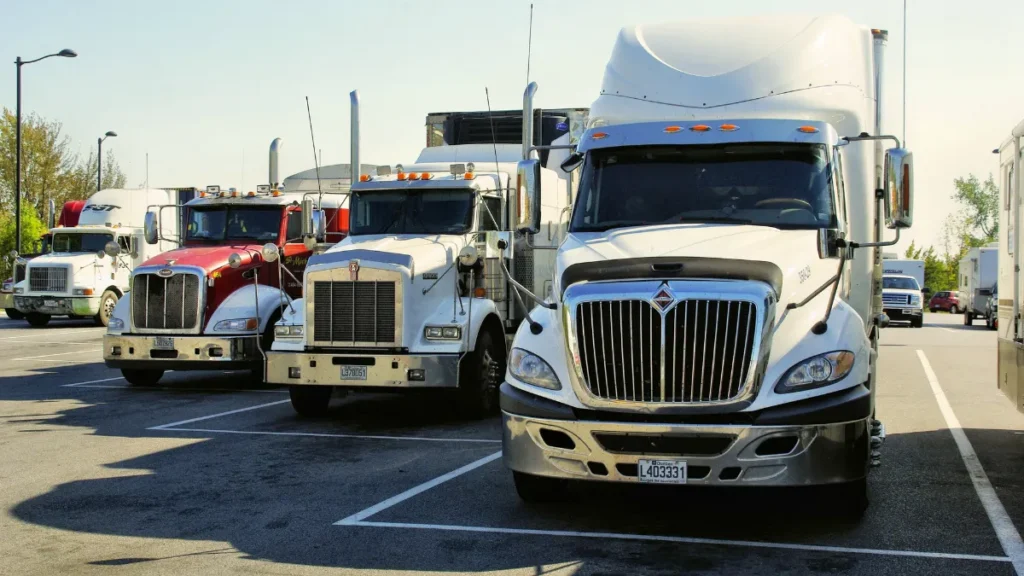
High traffic near Amazon facilities increases accident risk for truck drivers.
Why Amazon Relay Truck Accident Cases Are Unique
Amazon Relay cases differ from traditional carrier accidents because they often involve:
- Multiple corporate entities
- Independent contractors and third-party carriers
- Tight scheduling and delivery pressure
- Warehouse-controlled loading and unloading
- Complex questions about control and liability
Amazon and its partners often attempt to distance themselves from responsibility after a crash.
Common Causes of Amazon Relay Truck Accidents in Tennessee
Negligent Passenger Vehicle Drivers
Many Amazon Relay drivers are injured when motorists:
- Cut off trucks near congested warehouse areas
- Brake suddenly in heavy traffic
- Drive distracted or aggressively
- Fail to yield near on-ramps and exits
Even experienced drivers may have no time to react.
Unsafe Conditions at Amazon Facilities
Many injuries occur on or near Amazon property due to:
- Congested yard traffic
- Poor traffic flow design
- Inadequate signage
- Unsafe dock approaches
- Pedestrian traffic near loading zones
These cases often involve premises liability.
Improperly Loaded Amazon Freight
Amazon Relay drivers often do not load their own trailers. Accidents may involve:
- Overloaded trailers
- Improper weight distribution
- Poorly secured pallets
- Falling freight injuries
Improper loading can cause jackknifes, rollovers, or severe braking incidents.
Unrealistic Scheduling and Time Pressure
Amazon Relay performance metrics may contribute to:
- Fatigue
- Stress-related errors
- Rushed driving decisions
- Reduced recovery time between loads
While drivers are responsible for safe operation, systemic pressure matters in liability analysis.
Mechanical Failures and Maintenance Issues
Amazon Relay accidents may involve:
- Brake failures
- Tire blowouts
- Steering or suspension defects
- Trailer equipment failures
Maintenance responsibility often falls on carriers or third-party service providers—not the driver.
Injuries Truck Drivers Suffer in Amazon Relay Accidents
Truck drivers injured in Amazon Relay–related crashes commonly suffer:
- Traumatic brain injuries (TBIs)
- Spinal cord injuries
- Neck and back injuries
- Herniated discs
- Shoulder, knee, and hip injuries
- Crush injuries
- Chronic pain
- Permanent work restrictions or disability
These injuries can end a trucking career and disrupt a driver’s livelihood.
Are Injured Amazon Relay Drivers Limited to Workers’ Compensation?
No.
Workers’ compensation may cover:
- Medical treatment
- Partial wage replacement
But workers’ comp does not cover:
- Pain and suffering
- Full lost wages
- Loss of future earning capacity
- Permanent impairment damages
In many Amazon Relay accidents, third-party injury claims are essential to recovering full compensation.
Who Can Be Held Liable in an Amazon Relay Truck Accident?
Liability may extend to multiple parties, including:
- Negligent passenger vehicle drivers
- Motor carriers hauling Amazon loads
- Amazon or Amazon-controlled entities
- Warehouse operators
- Loading contractors
- Maintenance providers
- Trailer or equipment manufacturers
Determining who controlled the operation at the time of the crash is critical.
Independent Contractor Status Does NOT Eliminate Liability
Amazon often argues that drivers are independent contractors. However:
- Independent contractor status does not automatically shield Amazon from liability
- Courts look at control, policies, scheduling, and operational influence
- Premises liability and negligent loading claims still apply
Each case requires detailed factual analysis.
Evidence That Matters in Amazon Relay Truck Accident Cases
Amazon Relay cases are evidence-driven.
Critical Evidence Includes:
- Amazon Relay scheduling and delivery data
- Warehouse surveillance footage
- Dock and yard safety records
- Load weight and securement documentation
- ECM (black box) and ELD data
- Maintenance and inspection records
- Accident reconstruction analysis
Much of this evidence is controlled by corporations and must be preserved quickly.
Tennessee Comparative Fault and Amazon Relay Accidents
Tennessee follows a modified comparative fault rule:
- You may recover compensation if you are less than 50% at fault
- Any recovery is reduced by your percentage of fault
Defendants often try to place blame on drivers by alleging:
- Speeding
- Fatigue
- Failure to adjust to conditions
Strong evidence is required to protect injured drivers.
Why Amazon Relay Accident Claims Are Aggressively Defended
Defendants often:
- Deny control over drivers
- Shift blame to carriers or motorists
- Minimize warehouse responsibility
- Offer quick, undervalued settlements
These cases require experienced, trial-ready representation.
Common Mistakes Injured Amazon Relay Drivers Should Avoid
- Giving recorded statements without legal guidance
- Assuming workers’ comp is the only option
- Failing to document warehouse and yard conditions
- Allowing trailers to be reloaded before inspection
- Accepting early settlement offers
Early action protects your rights.

How Tennessee Accident Law Handles Amazon Relay Truck Accident Cases
We understand modern logistics and layered liability:
- Immediate evidence preservation
- Investigation of warehouse and loading practices
- Analysis of scheduling pressure and control
- Identification of all liable parties
- Coordination with workers’ compensation claims
- Trial-ready case preparation
Our focus is protecting injured truck drivers, not billion-dollar corporations.
Take Action Now—Amazon Relay Evidence Can Disappear Quickly
If you were injured in a Tennessee truck accident involving an Amazon Relay load—and the crash was not your fault—do not let large corporations avoid accountability.
Complete our free case evaluation form and call us now at 615-212-9866. We’ll review your case, explain every legal option available, and fight for the full compensation you deserve.
Sources
- Federal Motor Carrier Safety Administration (FMCSA) – Motor Carrier and Broker Safety Regulations
Explains federal safety responsibilities for carriers and logistics operators.
https://www.fmcsa.dot.gov/ - Occupational Safety and Health Administration (OSHA) – Warehouse and Loading Dock Safety
Covers safety standards relevant to loading and yard operations.
https://www.osha.gov/ - National Transportation Safety Board (NTSB) – Commercial Truck Crash Investigations
Analyzes complex liability and causation in serious truck accidents.
https://www.ntsb.gov/