Electric trucks are no longer a future concept — they are already entering fleets across the United States, including Tennessee. As manufacturers roll out electric semi-trucks and medium-duty commercial vehicles, Tennessee highways such as I-40, I-65, I-24, and I-75 are beginning to see a new class of heavy vehicles powered by batteries rather than diesel engines.
While electric trucks promise reduced emissions and lower operating costs, they also introduce new accident risks, new evidence, and new liability questions. When an electric truck is involved in a crash, traditional trucking litigation principles still apply — but additional factors related to technology, vehicle weight, battery systems, and software now play a major role.
At Tennessee Accident Law, we stay ahead of these developments to ensure injured victims are fully protected as the trucking industry evolves. This article explores the risks associated with electric trucks, how accidents may differ from traditional truck crashes, and what Tennessee drivers should expect moving forward.
If you have immediate questions, call us at (615) 212-9866 or complete our free case evaluation form now.
Why Electric Trucks Are Coming to Tennessee
Tennessee is a logistics and manufacturing hub, making it a natural testing ground for electric trucking.
Key drivers of adoption include:
- Federal and state emissions initiatives
- Corporate sustainability goals
- Lower long-term fuel and maintenance costs
- Expansion of electric vehicle manufacturing
- Growth of regional and last-mile delivery fleets
Major freight corridors and urban delivery routes are likely to see electric trucks first — especially around Memphis, Nashville, and Chattanooga.
How Electric Trucks Differ From Diesel Trucks
Although electric trucks may look similar, they operate very differently.
Key differences include:
- Heavier vehicle weight due to battery packs
- Instant torque and faster acceleration
- Quieter operation
- Regenerative braking systems
- Advanced onboard software and sensors
- Fewer mechanical components, but more electronics
These differences can affect how accidents occur — and how fault is determined.
Increased Vehicle Weight and Crash Severity
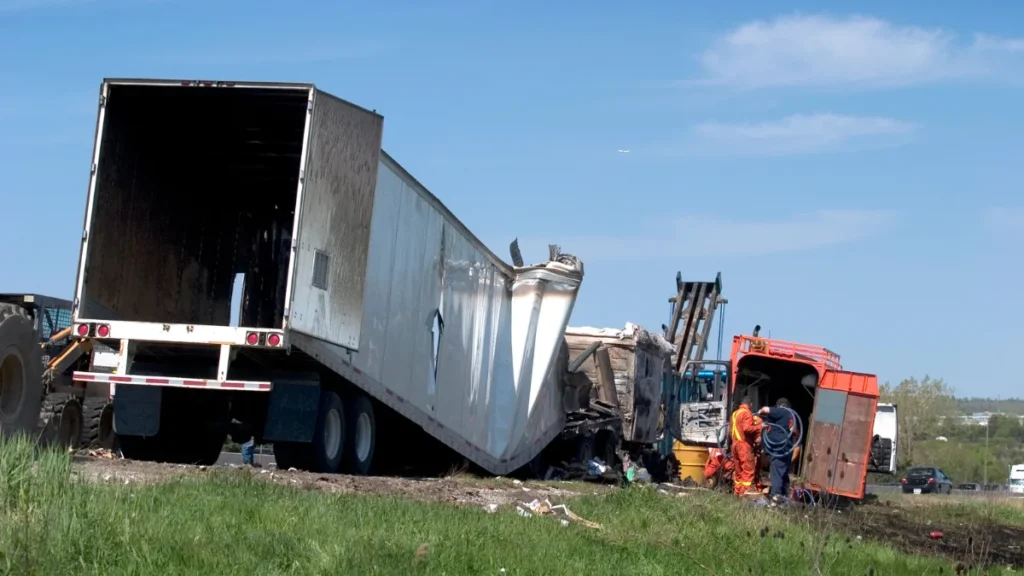
Electric trucks often weigh significantly more than diesel trucks due to large battery systems.
Why weight matters
- Heavier vehicles require longer stopping distances
- Greater force is transferred during collisions
- Higher risk of catastrophic injuries to passenger vehicles
- Increased rollover risk in certain scenarios
In an accident, this added mass can increase injury severity — even at lower speeds.
Acceleration and Speed-Related Risks
Electric trucks deliver immediate torque.
Potential safety concerns include:
- Faster acceleration from stops
- Increased risk in merging situations
- Reduced reaction time for nearby drivers
- Greater danger in urban and construction zones
If drivers are not properly trained to manage this power, accidents may occur more easily.
Battery-Related Fire and Explosion Risks
Lithium-ion batteries present unique hazards after crashes.
Potential risks include:
- Thermal runaway
- Post-collision fires
- Delayed ignition hours after a crash
- Difficult fire suppression
Emergency response procedures differ significantly for electric truck crashes, and battery failures may increase injury severity.
Regenerative Braking and Driver Error
Electric trucks rely heavily on regenerative braking, which slows the vehicle by converting motion into stored energy.
Risk factors include:
- Inconsistent braking behavior
- Driver unfamiliarity
- Sudden deceleration
- Following vehicles misjudging stopping distance
Improper use or misunderstanding of regenerative braking can contribute to rear-end collisions.
Advanced Software and System Failures
Electric trucks rely on complex software systems to manage:
- Power delivery
- Braking
- Steering assistance
- Battery temperature
- Safety alerts
Accident risks include:
- Software malfunctions
- Delayed system responses
- Incomplete updates
- Sensor failures
When software plays a role, liability may extend beyond the driver.
Who May Be Liable in an Electric Truck Accident
Electric truck crashes often involve expanded liability.
Potentially responsible parties include:
- The truck driver
- The trucking company
- The vehicle manufacturer
- Battery manufacturers
- Software developers
- Maintenance providers
- Fleet operators
Determining fault requires technical investigation and expert analysis.
Product Liability in Electric Truck Accidents
If an accident is caused by:
- Battery failure
- Defective braking systems
- Software errors
- Design flaws
- Inadequate safety warnings
…victims may pursue product liability claims in addition to negligence claims.
These cases often involve higher stakes and more defendants.
How Electric Trucks Change Accident Investigations
Electric truck cases involve new forms of evidence.
Critical evidence may include:
- Battery management system (BMS) data
- Software logs
- Sensor and telemetry data
- Over-the-air update records
- Event data recorder (EDR) information
- Driver-assist system logs
Preserving this data quickly is essential — much of it can be overwritten.
Insurance Challenges With Electric Truck Accidents
Insurance coverage disputes are common.
Common issues include:
- Coverage limits for new technology
- Disputes over product vs. driver fault
- Multiple insurers across manufacturers and fleets
- Delayed claim investigations
Victims often face aggressive defenses when new technology is involved.
Federal and State Regulation of Electric Trucks
Regulation is still evolving.
Key regulatory bodies include:
- Federal Motor Carrier Safety Administration (FMCSA)
- National Highway Traffic Safety Administration (NHTSA)
- U.S. Department of Transportation (DOT)
While electric trucks are subject to many existing trucking regulations, regulatory gaps often increase litigation complexity rather than reduce liability.
Comparative Fault Arguments in Electric Truck Cases
Defendants may attempt to argue:
- Driver misuse of technology
- Victim misunderstanding of braking behavior
- Unavoidable system failures
Objective electronic evidence is critical to defeating these claims.
How Electric Truck Accidents May Increase Settlement Values
Electric truck crashes often involve:
- Severe injuries
- Corporate defendants
- Complex technology
- Product liability exposure
- High insurance limits
When handled properly, these factors can significantly increase compensation.

What Tennessee Drivers Should Expect
As electric trucks become more common:
- Accident investigations will become more technical
- Liability will expand beyond drivers
- Evidence will become more digital
- Claims may take longer — but may be worth more
Drivers injured in electric truck accidents should expect a more complex legal process.
Why Early Legal Action Is More Important Than Ever
Electric truck evidence is:
- Digital
- Time-sensitive
- Often controlled by corporations
Early legal action ensures:
- Preservation of critical data
- Proper expert analysis
- Identification of all liable parties
- Compliance with Tennessee’s one-year statute of limitations
Why Tennessee Accident Law Is Ready for the Future
We prepare for the next generation of trucking litigation.
Our firm:
- Understands emerging truck technologies
- Works with technical and engineering experts
- Preserves electronic and software evidence
- Pursues product liability when appropriate
- Prepares every case for trial
As trucking evolves, so does our legal strategy.
Get Help After an Electric Truck Accident
Electric trucks may be new — but your rights are not.
Call Tennessee Accident Law at 615-212-9866
Or request your free case evaluation here:
https://tennesseeaccident.law/free-case-evaluation/
We will uncover the cause, identify every responsible party, and fight for the compensation you deserve.
Sources
- National Highway Traffic Safety Administration (NHTSA) — Electric vehicle safety and crash data
https://www.nhtsa.gov - U.S. Department of Transportation (DOT) — Electric and alternative fuel vehicle initiatives
https://www.transportation.gov - Federal Motor Carrier Safety Administration (FMCSA) — Commercial vehicle safety standards
https://www.fmcsa.dot.gov