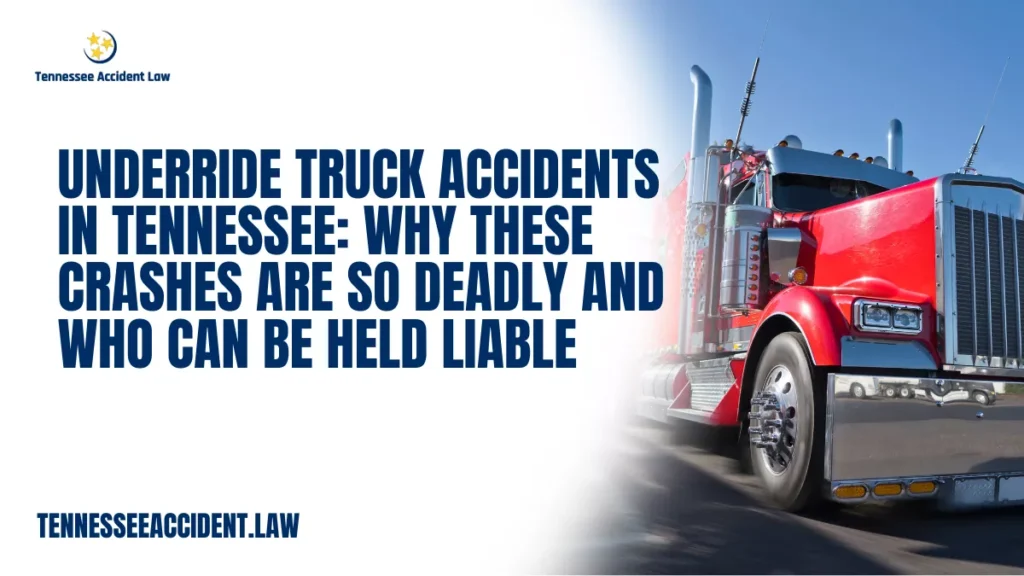
Underride accidents are among the most catastrophic truck accidents on Tennessee roads. These crashes occur when a smaller vehicle slides underneath the side or rear of a tractor-trailer, often resulting in devastating or fatal injuries. While underride crashes are frequently discussed from the perspective of passenger vehicle occupants, truck drivers are also injured in underride-related incidents, especially when unsafe equipment, improper lighting, or negligent motorists are involved.
At Tennessee Accident Law, we represent truck drivers injured in serious truck accidents that were not their fault, including underride-related crashes. This article explains how underride accidents happen, why they are so deadly, what federal safety rules apply, and how injured truck drivers in Tennessee can pursue full compensation beyond workers’ compensation.
If you have immediate questions, call us at (615) 212-9866 or complete our free case evaluation form now.
What Is an Underride Truck Accident?
An underride accident happens when a smaller vehicle:
- Slides underneath the rear of a trailer
- Crashes into the side of a tractor-trailer and becomes trapped underneath
- Strikes a trailer that lacks adequate underride protection or visibility
These crashes are especially dangerous because the lower vehicle bypasses most crash-protection systems.
Why Underride Accidents Are So Deadly
Underride crashes often involve:
- Severe head and neck trauma
- Traumatic brain injuries
- Spinal cord injuries
- Crushing injuries
- Fatal outcomes
Even at relatively low speeds, underride crashes can be catastrophic due to the mismatch in vehicle height and weight.
How Underride Accidents Involve Truck Drivers
Truck drivers are injured in underride scenarios when:
- Another vehicle strikes their trailer and causes secondary impacts
- The truck jackknifes or overturns after impact
- Cargo shifts or the trailer detaches
- The truck is struck while stopped or moving slowly
- Poor visibility or missing reflective markings contribute to the crash
In many cases, the truck driver did nothing wrong.
Common Causes of Underride Truck Accidents
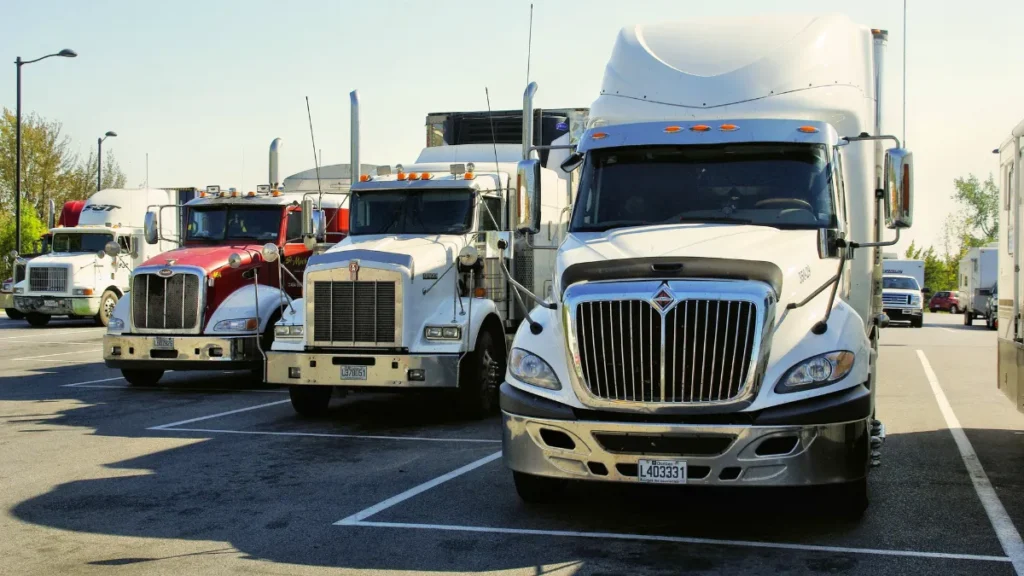
Missing or Defective Underride Guards
Rear underride guards (also called ICC bars) are designed to prevent vehicles from sliding underneath trailers. Accidents often involve:
- Missing guards
- Weak or damaged guards
- Guards that fail on impact
- Older trailers with outdated equipment
Poor Visibility and Inadequate Reflective Markings
Underride accidents frequently occur at night or in low-visibility conditions when trailers lack:
- Adequate reflective tape
- Proper lighting
- Functioning brake or marker lights
Unsafe Lane Changes or Sudden Stops by Passenger Vehicles
Many underride crashes are caused by motorists who:
- Follow too closely
- Fail to brake in time
- Drive distracted
- Misjudge truck speed or stopping distance
Roadway Design and Construction Hazards
Poorly marked construction zones, sudden lane shifts, or inadequate signage can contribute to underride crashes.
Federal Regulations That Apply to Underride Safety
The Federal Motor Carrier Safety Administration (FMCSA) and National Highway Traffic Safety Administration (NHTSA) regulate:
- Rear underride guard strength and placement
- Reflective tape and conspicuity requirements
- Trailer lighting standards
- Maintenance and inspection requirements
Violations of these regulations are powerful evidence in underride accident claims.
Who Can Be Held Liable in an Underride Truck Accident?
Underride accident cases often involve multiple liable parties.
Potentially Responsible Parties Include:
- Trailer owners
- Trucking companies
- Maintenance providers
- Trailer manufacturers
- Manufacturers of underride guards
- Government entities (road design or construction issues)
- Negligent passenger vehicle drivers
Identifying all responsible parties is critical to maximizing compensation.
Product Liability Claims in Underride Accidents
If an underride guard:
- Failed to meet safety standards
- Broke or collapsed on impact
- Was defectively designed or manufactured
The manufacturer or supplier may be liable under product liability law.
Workers’ Compensation vs. Third-Party Underride Claims
If you were driving for work:
- Workers’ compensation may cover medical care and partial wages
However, workers’ comp does not cover:
- Pain and suffering
- Full wage loss
- Loss of future earning capacity
- Permanent disability impact
When an underride crash involves defective equipment, negligent maintenance, or another driver’s negligence, third-party claims are often necessary to recover full compensation.
Evidence That Matters in Underride Truck Accident Cases
Underride cases are heavily evidence-driven.
Critical Evidence Includes:
- Trailer condition and underride guard inspection
- ECM and ELD data
- Dash camera and surveillance footage
- Lighting and reflective tape condition
- Maintenance and inspection records
- Accident reconstruction analysis
- Vehicle damage patterns
Preserving the trailer and underride guard is often essential.
Tennessee Comparative Fault in Underride Accident Claims
Tennessee follows a modified comparative fault rule:
- You can recover compensation if you are less than 50% at fault
- Recovery is reduced by your percentage of fault
Insurance companies often try to blame truck drivers by alleging:
- Improper lighting
- Unsafe stopping
- Poor lane positioning
Strong evidence is critical to protect injured drivers from unfair blame.
Injuries Truck Drivers Suffer in Underride-Related Accidents
Truck drivers injured in underride crashes often suffer:
- Traumatic brain injuries
- Spinal cord injuries
- Neck and back injuries
- Orthopedic injuries
- Psychological trauma
- Chronic pain
- Permanent work restrictions
These injuries can permanently end a trucking career.
Why Underride Accident Claims Are Aggressively Defended
Defendants often:
- Dispute guard compliance
- Blame passenger vehicle drivers
- Minimize regulatory violations
- Challenge expert testimony
These cases require trial-ready representation.
Common Mistakes Injured Truck Drivers Should Avoid
- Allowing trailers or guards to be repaired before inspection
- Failing to document lighting and reflective conditions
- Giving recorded statements without legal guidance
- Assuming workers’ comp is the only option
- Waiting too long to identify third-party liability
Early legal action matters.
How Tennessee Accident Law Handles Underride Truck Accident Cases
We understand the technical and legal complexity of underride cases:
- Immediate evidence preservation
- Inspection of underride guards and trailers
- Coordination with accident reconstruction and engineering experts
- Identification of all liable parties
- Coordination with workers’ compensation claims
- Trial-ready preparation from day one
Our focus is protecting injured truck drivers, not insurance companies.
Take Action Now—Underride Evidence Can Disappear Quickly
If you were injured in a Tennessee truck accident involving an underride crash—and the accident was not your fault—do not let insurers or corporations avoid accountability.
Complete our free case evaluation form and call us now at 615-212-9866. We’ll review your case, explain every legal option available, and fight for the full compensation you deserve.
Sources
- National Highway Traffic Safety Administration (NHTSA) – Underride Crash Data and Safety Standards
Provides research and regulations related to underride protection.
https://www.nhtsa.gov/ - Federal Motor Carrier Safety Administration (FMCSA) – Trailer Equipment and Safety Regulations
Covers maintenance, inspection, and safety requirements for commercial trailers.
https://www.fmcsa.dot.gov/safety - Insurance Institute for Highway Safety (IIHS) – Underride Guard Research
Analyzes underride guard performance and crash outcomes.
https://www.iihs.org/