Truck drivers injured in Tennessee crashes often hear one sentence almost immediately:
“This is a workers’ comp claim.”
While workers’ compensation may be part of the picture, it is very often not the whole story—especially when the accident was not your fault.
At Tennessee Accident Law, we regularly represent truck drivers who were initially told they could only rely on workers’ comp, only to later discover they were entitled to significantly more compensation through a third-party injury claim. Understanding the difference can be the difference between barely getting by and truly protecting your future.
This article explains, in plain English, how workers’ compensation and third-party lawsuits differ, when you can pursue both, and how injured truck drivers in Tennessee can maximize recovery after a crash caused by someone else’s negligence.
If you have immediate questions, call us at (615) 212-9866 or complete our free case evaluation form now.
Why This Question Matters for Injured Truck Drivers
Truck driving is physically demanding. When an accident causes injury, it doesn’t just affect your health—it affects your ability to work, earn, and support your family.
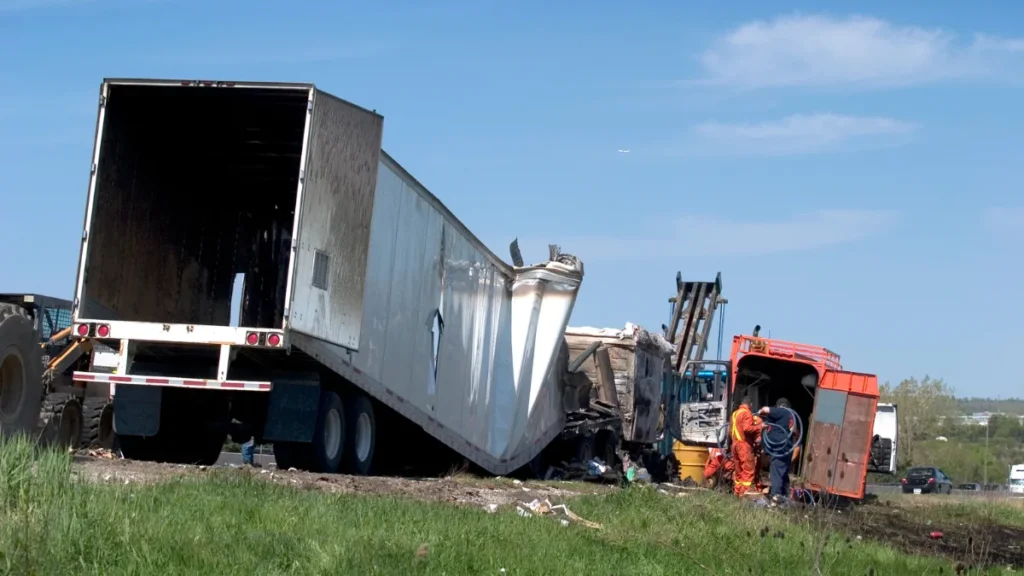
Passenger vehicle crashes involving semi-trucks frequently result in:
- Back and neck injuries
- Shoulder, knee, and joint damage
- Concussions and traumatic brain injuries
- Spinal disc injuries
- Chronic pain that limits long-haul or even local driving
If you rely only on workers’ comp when a third party caused the crash, you may leave tens or even hundreds of thousands of dollars on the table.
What Is Workers’ Compensation in Tennessee?
Workers’ compensation is a no-fault system that provides limited benefits to employees injured while working.
What Workers’ Comp Covers
- Medical treatment related to the injury
- A portion of lost wages (typically around 66⅔%)
- Temporary or permanent disability benefits (if applicable)
What Workers’ Comp Does Not Cover
- Pain and suffering
- Emotional distress
- Full lost income
- Loss of future earning capacity
- Punitive damages
Workers’ comp is designed to provide basic support, not full compensation.
Why Workers’ Comp Alone Is Often Not Enough for Truck Drivers
Truck drivers frequently earn more than average wage earners, including:
- Overtime
- Bonuses
- Per diem
- Mileage-based pay
Workers’ comp does not fully replace these earnings. Even worse, if your injury limits your ability to continue driving, workers’ comp may fall far short of addressing long-term financial loss.
That’s why identifying third-party liability is critical.
What Is a Third-Party Injury Claim?
A third-party claim is a personal injury lawsuit filed against someone other than your employer whose negligence caused the accident.
In truck driver injury cases, common third parties include:
- A negligent passenger vehicle driver
- A distracted or drunk motorist
- A fatigued driver
- A company vehicle operator
- A government entity (dangerous road conditions)
- A shipper or loader
- A vehicle or parts manufacturer
If someone outside your employer caused or contributed to the crash, you may have a third-party claim.
Key Differences: Workers’ Comp vs. Third-Party Lawsuit
Fault
- Workers’ Comp: Fault does not matter
- Third-Party Claim: You must prove negligence
Compensation Scope
- Workers’ Comp: Limited benefits
- Third-Party Claim: Full damages, including pain and suffering
Wage Recovery
- Workers’ Comp: Partial wages
- Third-Party Claim: Full past and future income loss
Control of Medical Care
- Workers’ Comp: Often employer-directed
- Third-Party Claim: You choose your providers
Settlement Value
- Workers’ Comp: Statutory limits
- Third-Party Claim: Based on real-life impact
Can a Truck Driver Pursue Both Claims at the Same Time?
Yes—and this is where strategy matters.
In many Tennessee truck accident cases:
- Workers’ comp covers immediate medical care and some wage loss
- A third-party claim pursues full compensation from the at-fault party
These claims run parallel, not in competition.
However, workers’ comp insurers often assert a subrogation lien, meaning they may seek reimbursement from the third-party recovery. This is where experienced legal handling becomes essential—because lien negotiation can significantly affect your final payout.
Common Situations Where Third-Party Claims Apply
Passenger Vehicle Causes the Crash
If a car rear-ends your truck, cuts you off, runs a red light, or drives distracted or impaired, that driver is typically liable—even if you were on the job.
Multi-Vehicle Accidents
Chain-reaction crashes often involve multiple negligent drivers, creating multiple insurance policies and recovery sources.
Roadway Hazards
Poorly marked construction zones, missing signage, or dangerous road design may implicate contractors or government entities.
Defective Equipment
Brake failures, tire blowouts, steering defects, or coupling failures may support product liability claims.
Why Insurance Companies Push “Workers’ Comp Only”
Insurance companies benefit when truck drivers believe workers’ comp is their only option. It:
- Caps their exposure
- Eliminates pain and suffering claims
- Reduces long-term payouts
- Limits future earning loss
We routinely see adjusters fail to mention third-party claims—or actively discourage drivers from exploring them.
Evidence That Strengthens a Third-Party Truck Driver Injury Case
Strong cases are built on objective proof, including:
- Dash cam footage
- ELD and telematics data
- ECM/black-box downloads
- Police reports and citations
- Witness statements
- Medical records linking injuries to the crash
- Expert accident reconstruction
Time is critical. Data can be overwritten or destroyed if not preserved quickly.
Tennessee’s Comparative Fault Rule and Why It Matters
Tennessee follows a modified comparative fault system:
- You can recover damages if you are less than 50% at fault
- Your recovery is reduced by your percentage of fault
Insurance companies aggressively attempt to assign fault to truck drivers. Evidence—not opinions—wins these disputes.
What Happens If You Wait Too Long?
Delays can hurt your case by:
- Allowing evidence to disappear
- Weakening medical causation arguments
- Letting insurers control the narrative
- Missing legal deadlines
Early legal involvement protects both your health and your claim value.

How Tennessee Accident Law Protects Injured Truck Drivers
We represent injured truck drivers—not insurance companies. Our approach includes:
- Immediate evidence preservation
- Identifying every liable party
- Coordinating workers’ comp and third-party claims
- Maximizing total recovery—not just one claim
- Negotiating liens to protect your net settlement
- Preparing every case as if it will go to trial
We understand trucking, CDL realities, and the physical demands of the job.
Take Action Before Insurance Companies Decide for You
If you’re a truck driver injured in a Tennessee accident that wasn’t your fault, don’t assume workers’ comp is your only option.
Complete our free case evaluation form and call us now at 615-212-9866. We’ll review your situation, explain your options clearly, and help you pursue the full compensation you deserve.
Sources
- Tennessee Bureau of Workers’ Compensation
Explains benefits, limitations, and employee rights under Tennessee workers’ compensation law.
https://www.tn.gov/workforce/injuries-at-work.html - FMCSA – Large Truck Crash Facts
Provides national data on truck crashes, causes, and contributing factors.
https://www.fmcsa.dot.gov/safety/data-and-statistics/large-truck-and-bus-crash-facts - NHTSA – Traffic Safety and Crash Causation
Details common negligent behaviors such as distraction and impairment.
https://www.nhtsa.gov/road-safety