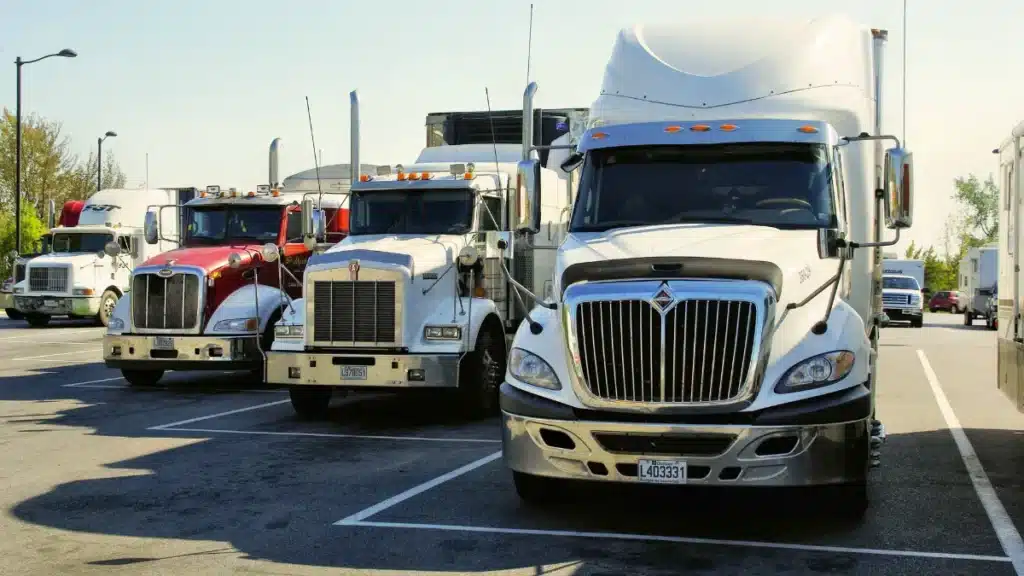
FedEx Freight is one of the largest less-than-truckload (LTL) carriers in the United States, with a massive presence across Tennessee. From Memphis—home to FedEx’s global hub—to Nashville, Knoxville, and Chattanooga, FedEx Freight trucks operate daily on Tennessee highways, city routes, and terminal yards. With that scale comes an increased risk of serious truck accidents, and truck drivers themselves are often the ones injured—despite doing nothing wrong.
At Tennessee Accident Law, we represent truck drivers injured in FedEx Freight–related truck accidents caused by negligent motorists, unsafe terminal operations, improper loading, maintenance failures, or third-party negligence. If you were injured while driving for FedEx Freight—or injured in a crash involving a FedEx Freight truck—this article explains how liability works, why these cases are complex, and how injured truck drivers in Tennessee can pursue full compensation beyond workers’ compensation.
If you have immediate questions, call us at (615) 212-9866 or complete our free case evaluation form now.
Who Is FedEx Freight?
FedEx Freight is the LTL division of FedEx Corporation and operates:
- Thousands of tractors and trailers nationwide
- City and linehaul routes
- Hub-and-spoke terminal operations
- High-frequency dock and yard activity
In Tennessee, FedEx Freight has a significant footprint, particularly along:
- I-40 (Memphis–Nashville–Knoxville)
- I-24 (Nashville–Chattanooga)
- I-55, I-65, and I-75
- Routes serving FedEx hubs, terminals, and distribution centers
Because of its dense operations, FedEx Freight is regularly involved in serious truck accident and injury claims across the state.
Why FedEx Freight Truck Accident Cases Are Unique
FedEx Freight cases differ from traditional long-haul trucking cases due to:
- LTL freight handling and frequent stops
- High-volume dock operations
- Multiple trailers and sets
- Frequent coupling and uncoupling
- Terminal yard traffic
- Tight pickup and delivery schedules
FedEx Freight also has significant corporate resources and legal teams that move quickly to control evidence and limit liability—even when the injured person is their own driver.
Common Causes of FedEx Freight Truck Accidents in Tennessee
Negligent Passenger Vehicle Drivers
FedEx Freight drivers are often injured when motorists:
- Cut off trucks in city traffic
- Fail to yield during lane changes
- Drive distracted or impaired
- Misjudge stopping distances
- Make unsafe left turns
City and regional routes increase exposure to negligent drivers.
Dock, Yard, and Terminal Accidents
Many FedEx Freight injuries occur off the highway, including:
- Yard crashes with other trucks
- Pedestrians struck in terminals
- Unsafe traffic flow in yards
- Poor lighting or surface conditions
These incidents are closely tied to premises liability and third-party negligence.
Improperly Loaded or Shifted LTL Freight
LTL freight presents unique risks, including:
- Mixed loads
- Unstable pallets
- Inadequate bracing
- Falling freight when doors are opened
Loading is typically performed by terminal staff—not the driver.
Mechanical Failures and Maintenance Issues
FedEx Freight accidents may involve:
- Brake failures
- Tire blowouts
- Steering or suspension problems
- Coupling or dolly failures in sets
Maintenance negligence can place drivers at serious risk.
Fatigue and Scheduling Pressure
Although LTL routes are shorter, they often involve:
- Night driving
- Tight linehaul schedules
- Limited recovery time between shifts
Fatigue-related errors can contribute to serious crashes.
How Truck Drivers Are Injured in FedEx Freight Accidents
Truck drivers injured in FedEx Freight–related incidents commonly suffer:
- Traumatic brain injuries (TBIs)
- Neck and back injuries
- Herniated discs
- Shoulder and knee injuries
- Crush injuries
- Slip-and-fall injuries at terminals
- Permanent work restrictions
These injuries can end a trucking career or force drivers into lower-paying work.
Are Injured FedEx Freight Drivers Limited to Workers’ Compensation?
No.
Workers’ compensation may cover:
- Medical treatment
- Partial wage replacement
But workers’ comp does not cover:
- Pain and suffering
- Full wage loss
- Loss of future earning capacity
- Permanent impairment damages
In many FedEx Freight accidents, third-party claims are essential to achieving full compensation.
Third-Party Claims in FedEx Freight Truck Accidents
You may have a third-party injury claim if your injury was caused by:
- A negligent passenger vehicle driver
- A defective truck, trailer, or dolly component
- A negligent maintenance or repair provider
- Unsafe terminal or yard conditions
- Improper loading by terminal staff
- Dangerous road or construction conditions
These claims can proceed alongside workers’ compensation.
What If Another FedEx Freight Driver Caused the Accident?
If another FedEx Freight driver caused the crash:
- Workers’ compensation may apply initially
- Additional claims may exist depending on driver role, negligence, or third-party involvement
These cases require careful legal analysis to avoid losing valid claims.
Critical Evidence in FedEx Freight Truck Accident Cases
FedEx Freight cases are evidence-driven and time-sensitive.
Key Evidence Often Includes:
- Terminal surveillance footage
- Yard traffic and safety policies
- ELD and telematics data
- ECM (black box) data
- Maintenance and inspection records
- Driver qualification and training files
- Dock and loading records
- Accident reconstruction analysis
Much of this evidence is controlled by FedEx Freight and must be preserved immediately.
Tennessee Comparative Fault and FedEx Freight Accident Claims
Tennessee follows a modified comparative fault rule:
- You can recover compensation if you are less than 50% at fault
- Any recovery is reduced by your percentage of fault
Large carriers often attempt to shift blame onto injured drivers. Early investigation is critical to protect your claim.
Why FedEx Freight Accident Claims Are Aggressively Defended
Large corporate carriers often:
- Deploy rapid-response investigation teams
- Secure terminals, vehicles, and data immediately
- Push workers’ comp as the “only remedy”
- Offer quick, undervalued settlements
- Dispute injury severity or long-term impact
Without experienced representation, injured drivers are at a disadvantage.
Common Mistakes Injured FedEx Freight Drivers Should Avoid
- Giving recorded statements without legal guidance
- Allowing trucks, trailers, or equipment to be repaired before inspection
- Assuming workers’ comp is the only option
- Failing to document terminal or yard conditions
- Accepting early settlement offers
These mistakes can permanently limit recovery.

How Tennessee Accident Law Handles FedEx Freight Truck Accident Cases
We understand LTL operations and corporate defense strategies:
- Immediate evidence preservation
- Investigation of terminal, yard, and loading practices
- Analysis of ELD, camera, and ECM data
- Identification of all third-party liability
- Coordination with workers’ compensation claims
- Trial-ready case development
Our focus is protecting injured truck drivers, not large logistics corporations.
Take Action Now—FedEx Freight Accident Cases Move Fast
If you were injured in a Tennessee truck accident involving FedEx Freight—and the crash or injury was not your fault—do not let corporate insurers dictate your future.
Complete our free case evaluation form and call us now at 615-212-9866. We’ll review your case, explain every legal option available, and fight for the full compensation you deserve.
Sources
- Federal Motor Carrier Safety Administration (FMCSA) – Motor Carrier Safety Profiles
Provides inspection, violation, and crash data for large carriers like FedEx Freight.
https://safer.fmcsa.dot.gov/ - FMCSA – LTL and Cargo Securement Regulations
Covers safety standards for freight handling and securement.
https://www.fmcsa.dot.gov/safety/cargo-securement - National Transportation Safety Board – Commercial Truck Safety
Examines safety risks and systemic issues in large trucking fleets.
https://www.ntsb.gov/ - FedEx Truck Accident Lawyer: Help After a FedEx Delivery Truck Crash
Why FedEx truck accident cases are uniquely complex and how liability works in FedEx-related crashes.
https://trucklawyer.law/truck-accident-lawyer/fedex-truck-accident-lawyer/