Most people assume truck accidents begin on the highway, but in many cases, the crash originates long before the truck ever leaves the garage. Defective parts, inadequate maintenance, skipped inspections, and corner-cutting practices inside trucking companies are leading contributors to catastrophic truck accidents across Tennessee.
Whether on I-40, I-24, I-65, I-75, or rural state routes, a single faulty component can cause an 80,000-pound commercial truck to lose control, jackknife, blow a tire, or suffer brake failure. These mechanical issues often result in severe injuries, multi-vehicle collisions, and tragic fatalities.
At Tennessee Accident Law, we trace the root cause of every truck accident we investigate. In many cases, the trail leads straight to a mechanic’s bay, a parts manufacturer, or a negligent maintenance department. The following sections explain how defective truck parts and maintenance failures cause crashes, who may be held responsible, and how Tennessee victims can pursue full compensation.
If you have immediate questions, call us at (615) 212-9866 or complete our free case evaluation form now.
Most Common Defective Truck Parts That Cause Tennessee Accidents
Commercial trucks depend on thousands of interconnected components to operate safely. When just one fails, the consequences can be devastating.
Brake System Failures
Brake-related issues are the most common maintenance-related causes of truck accidents. Failures occur due to worn pads, air system leaks, improper adjustments, overheated brakes from overloaded trucks, and manufacturer defects. Tennessee’s steep mountain grades near Knoxville, Chattanooga, and the Cumberland Plateau increase the risk of brake failures.
Tire Blowouts
Truck tires endure extreme weight and heat. When defective, worn, or improperly inflated, they can explode at highway speeds. Common causes include tread separation, underinflation, overinflation, manufacturing defects, alignment issues, and excessive load weight. A blowout can lead to immediate loss of control.
Steering and Suspension Failures
Steering and suspension components must be in optimal condition to manage heavy loads. Critical failures include broken tie rods, worn kingpins, faulty steering gears, and damaged shocks or springs. A malfunction often results in sudden veering or complete loss of directional control.
Lighting and Electrical Malfunctions
Electrical defects can cause brake light failure, turn signal failure, headlight outages, or ABS malfunctions. These hazards significantly increase accident risk, especially at night or during Tennessee’s frequent low-visibility conditions.
Defective Coupling Devices
Improper or defective coupling devices, including fifth wheels, may cause trailers to disconnect, swing, or jackknife. A failed coupling device can instantly escalate a routine trip into a catastrophic event.
Transmission and Engine Failures
Engine or transmission defects can lead to sudden loss of power, stalling, unexpected deceleration, or even fires. These failures are particularly dangerous on major interstates where traffic speeds are high.
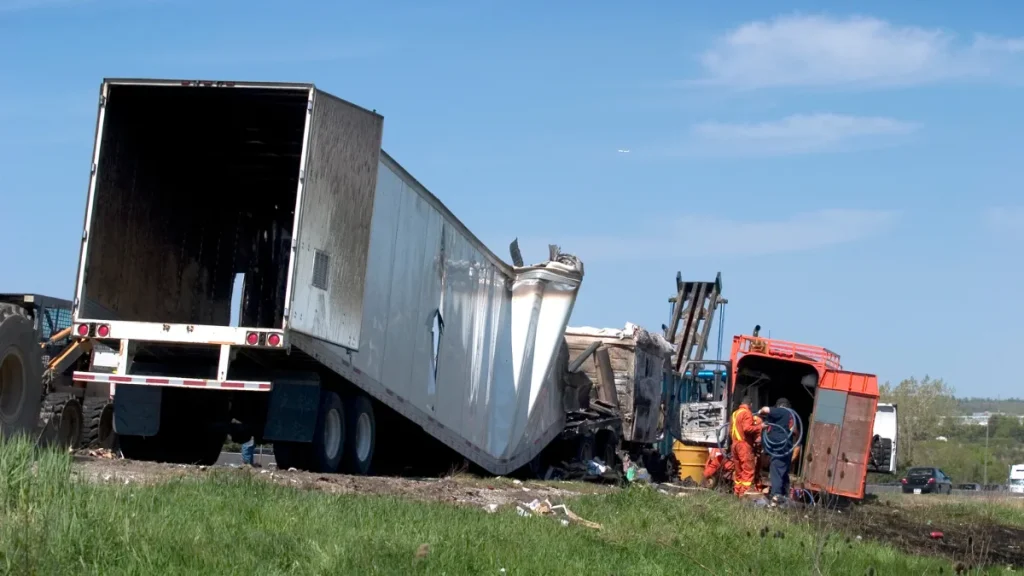
Maintenance Failures: When Negligence Begins Before the Trip
Federal and state laws require regular inspection and maintenance of commercial trucks, yet many companies skip or falsify required tasks to save time or reduce costs.
Common violations include skipping mandatory inspections, employing unqualified mechanics, failing to repair known issues, using low-quality replacement parts, rushing maintenance, ignoring brake and tire warnings, and falsifying maintenance logs. These shortcuts lead directly to preventable tragedies.
FMCSA Regulations for Truck Maintenance
The Federal Motor Carrier Safety Administration (FMCSA) enforces strict safety rules, including:
49 CFR § 396 — Inspection, Repair, and Maintenance, which requires:
Routine inspections, repair documentation, immediate correction of defects, and preventive maintenance schedules.
Driver Vehicle Inspection Reports (DVIRs) require drivers to inspect brakes, tires, lights, steering, suspension, and coupling devices before and after every trip. When companies or drivers fail to comply, they violate federal law and create strong grounds for negligence claims.
Who Is Liable for Defective Parts and Maintenance Failures?
Truck accident cases involving mechanical defects often include multiple responsible parties:
The Trucking Company
Liable for ignoring maintenance schedules, hiring unqualified mechanics, skipping inspections, or forcing drivers to operate unsafe vehicles.
The Driver
Liable for failing to conduct inspections, falsifying reports, or ignoring obvious mechanical problems.
Maintenance Contractors
Liable for improper repairs, missed defects, or inadequate documentation.
Parts Manufacturers
Liable for producing defective parts that fail during normal use and contribute to crashes.
Retailers or Distributors
Liable for supplying defective or recalled components.
Identifying every responsible party maximizes the compensation available to victims.
How Tennessee Accident Law Proves Maintenance-Related Negligence
These cases require advanced investigation. Our team uses specialized methods to uncover the truth, including:
Black Box (ECM) Data Analysis
Examines fault codes, brake usage, tire pressure, deceleration events, and engine performance.
Inspection Record Review
We subpoena maintenance logs, DVIRs, repair bills, parts records, and work orders. Missing or falsified documents strongly indicate negligence.
Physical Truck Inspection
Experts assess brakes, tires, electrical systems, suspension components, and coupling devices.
Witness and Employee Testimony
Mechanics, drivers, safety managers, and former employees often reveal systemic safety failures within trucking operations.
Common Excuses Trucking Companies Use — and How We Refute Them
Trucking companies frequently claim the driver should have caught the problem, the failure was unavoidable, weather caused the crash, the truck was recently inspected, or the defect was unknown. We counter these defenses using detailed maintenance records, expert analysis, black box data, recall documentation, and defect histories.
Compensation Available to Tennessee Victims
Victims may recover:
Economic Damages
Medical bills, future care, rehabilitation, surgeries, lost wages, diminished earning capacity, and property damage.
Non-Economic Damages
Pain and suffering, emotional distress, loss of enjoyment of life, permanent disability, and disfigurement.
Punitive Damages
Available when a trucking company knowingly disregards safety obligations.
Preventing These Crashes: The Industry’s Responsibility
Too often, companies prioritize profit over safety, rush maintenance, use cheap replacement parts, or ignore driver reports. These crashes are completely preventable when trucking companies follow the law.

Take Action Today
If a defective truck part or maintenance failure caused your accident, you should not face the financial burden alone. Tennessee Accident Law can investigate, expose the truth, and hold all negligent parties accountable.
Contact Tennessee Accident Law today for a free case evaluation or call 615-212-9866. We will fight for maximum compensation and the justice you deserve.
Sources
Federal Motor Carrier Safety Administration (FMCSA) – Inspection, repair, and maintenance regulations (49 CFR § 396): https://www.fmcsa.dot.gov
National Highway Traffic Safety Administration (NHTSA) – Recall and defect investigation database: https://www.nhtsa.gov
Tennessee Department of Safety & Homeland Security – Commercial vehicle enforcement and crash data: https://www.tn.gov/safety.html