Brake failure is one of the most frightening—and dangerous—events a truck driver can experience. When brakes don’t respond, respond too late, or fail completely, a driver may have only seconds to react. Even the most skilled CDL driver cannot stop an 80,000-pound vehicle without functioning brakes.
At Tennessee Accident Law, we represent truck drivers who were injured in crashes caused by brake failure that was not their fault. These cases often involve defective parts, negligent maintenance, or systemic safety failures—and they can be won or lost based on what evidence is preserved immediately after the crash.
This article explains how brake failures happen, who may be legally responsible, and—most importantly—what a truck driver must preserve after a brake failure accident to protect their health, career, and right to full compensation.
If you have immediate questions, call us at (615) 212-9866 or complete our free case evaluation form now.
Why Brake Failure Truck Accidents Are So Severe
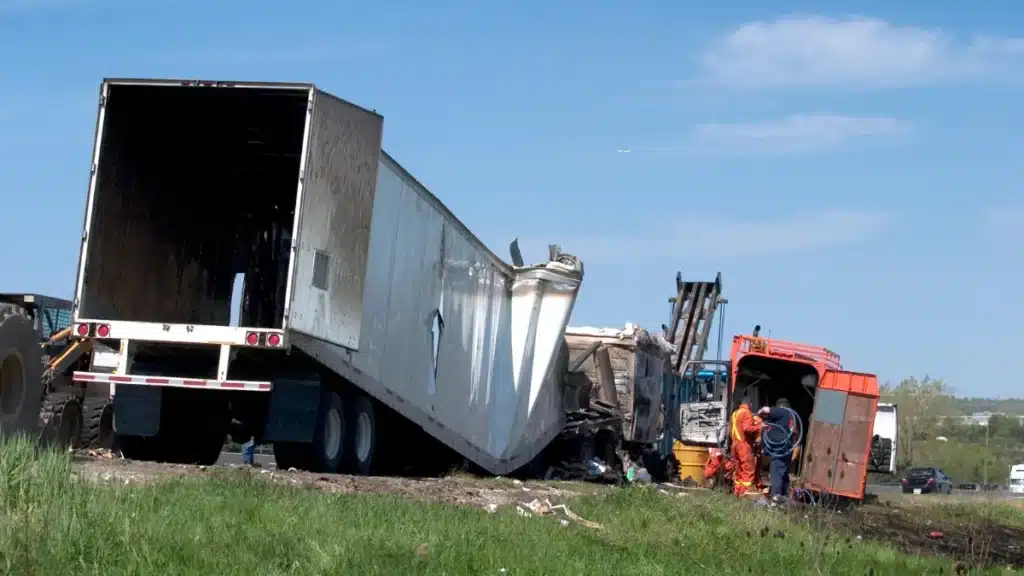
Brakes are the primary safety system for commercial trucks. When they fail, the consequences are often catastrophic, including:
- Rear-end collisions
- Jackknife accidents
- Runaway truck crashes
- Multi-vehicle pileups
- Collisions at intersections or on downhill grades
Truck drivers injured in brake failure crashes often suffer life-altering injuries—even when they followed every rule and procedure.
Common Types of Brake Failures in Commercial Trucks
Brake failures are rarely “mystery events.” They usually fall into identifiable categories.
Air Brake System Failures
- Air leaks
- Compressor failure
- Valve malfunctions
- Contaminated air lines
Brake Component Defects
- Defective brake pads or shoes
- Cracked drums or rotors
- Faulty slack adjusters
- Defective ABS components
Improper Maintenance
- Worn components not replaced
- Missed inspections
- Inadequate repairs
- Failure to follow service intervals
Manufacturing Defects
- Design flaws
- Production errors
- Known defects subject to recalls
In many cases, the failure begins long before the crash—and someone other than the driver is responsible.
Why Truck Drivers Are Often Blamed After Brake Failures
Insurance companies and corporate defendants frequently claim:
- The driver was speeding
- The driver failed to downshift properly
- The driver “rode the brakes”
- The driver should have anticipated the failure
These arguments are common—and often wrong. That’s why evidence preservation is critical.
The Most Important Step: Preserve the Truck and Brake Components
If brakes fail, do not allow the truck to be repaired, altered, or salvaged without inspection if at all possible.
What Must Be Preserved
- Brake assemblies (pads, shoes, drums, rotors)
- Air brake components
- ABS modules
- Brake lines and hoses
- ECM and ABS data
- Maintenance and inspection records
Once parts are destroyed or replaced, proving a defect or maintenance failure becomes much harder.
Key Evidence Every Injured Truck Driver Must Preserve
1) The Brake Components Themselves
The physical brake parts are often the most important evidence. Engineers can determine:
- Whether parts were defective
- Whether wear exceeded safe limits
- Whether components failed prematurely
- Whether failure occurred before impact
This evidence can make or break a product liability or maintenance negligence case.
2) Electronic Control Module (ECM) and ABS Data
Truck data can show:
- Speed
- Brake application
- Brake pressure
- ABS activation
- Fault codes
This data often proves the driver tried to brake—and that the system failed.
3) Maintenance and Inspection Records
Records may reveal:
- Missed inspections
- Deferred repairs
- Prior brake complaints
- Noncompliance with FMCSA standards
These documents often point directly to negligence.
4) Pre-Trip and Post-Trip Inspection Reports
Your inspection reports can:
- Show you followed required procedures
- Eliminate claims of driver neglect
- Support that the failure was sudden and unexpected
5) Recall and Service Bulletins
Some brake components are subject to:
- Manufacturer recalls
- Technical service bulletins
- Known defect warnings
Failure to address known defects strengthens liability claims.
Who Can Be Held Responsible for Brake Failure Crashes?
Brake failure cases often involve multiple liable parties, including:
- Truck or trailer manufacturers
- Brake component manufacturers
- Maintenance and repair companies
- Fleet owners
- Parts suppliers
- Inspection service providers
Identifying every responsible party increases available insurance coverage and compensation.
Injuries Truck Drivers Commonly Suffer in Brake Failure Crashes
Brake failure accidents frequently cause:
- Traumatic brain injuries (TBIs)
- Neck and back injuries
- Herniated discs
- Spinal cord injuries
- Orthopedic injuries
- Burns or fire-related injuries
- Permanent disability
These injuries can end a driving career overnight.
Workers’ Compensation vs. Third-Party Brake Failure Claims
If you were driving for work:
- Workers’ compensation may cover medical bills and partial wages
However, workers’ comp does not cover:
- Pain and suffering
- Full lost income
- Loss of future earning capacity
- Permanent impairment
When brake failure was caused by defective parts or negligent maintenance, a third-party injury or product liability claim is often necessary for full compensation. These claims can proceed alongside workers’ comp.
Tennessee Comparative Fault and Brake Failure Cases
Insurance companies often argue:
- Improper braking technique
- Excessive speed
- Failure to inspect
Tennessee’s modified comparative fault rule means evidence is essential to prove:
- Proper driver conduct
- Compliance with inspections
- That brake failure—not driver error—caused the crash
Common Mistakes Truck Drivers Should Avoid After Brake Failure
- Allowing repairs before inspection
- Letting parts be discarded or scrapped
- Giving recorded statements without legal guidance
- Assuming maintenance records “will speak for themselves”
- Settling before expert analysis
Once evidence is gone, it cannot be recovered.
How Tennessee Accident Law Handles Brake Failure Truck Accident Cases
We treat brake failure cases with urgency:
- Immediate preservation letters
- Coordination with engineering experts
- ECM and ABS data analysis
- Maintenance and recall investigations
- Identification of all liable parties
- Coordination with workers’ comp claims
- Trial-ready preparation from day one
We understand braking systems, FMCSA regulations, and product liability law.

Take Action Immediately—Evidence Can Disappear Fast
If you were injured in a Tennessee truck accident caused by brake failure that was not your fault, time is critical. Evidence can be lost, overwritten, or destroyed quickly.
Complete our free case evaluation form and call us now at 615-212-9866. We’ll act quickly to preserve evidence, explain your options, and fight for the full compensation you deserve.
Sources
- FMCSA – Brake Systems and Inspection Standards
Explains federal requirements for air brake systems and inspections.
https://www.fmcsa.dot.gov/safety/vehicle-maintenance - National Highway Traffic Safety Administration – Vehicle Defects and Recalls
Provides information on defective vehicle components and recalls.
https://www.nhtsa.gov/recalls - Commercial Vehicle Safety Alliance – Brake Safety Program
Details common brake violations and safety concerns in commercial vehicles.
https://cvsa.org/programs/brake-safety/