Distracted driving has become one of the leading causes of serious car accidents across Tennessee. When drivers take their attention away from the road—even for a few seconds—they significantly increase the risk of causing a devastating crash. Whether the distraction involves texting, adjusting a GPS, eating, or interacting with passengers, these behaviors can lead to catastrophic injuries and life-altering consequences.
At Tennessee Accident Law, we represent victims throughout Tennessee who have been seriously injured in distracted driving accidents. These crashes are often preventable, and we work to hold negligent drivers accountable while pursuing full compensation for the harm they cause.
If you have immediate questions, call us at (615) 212-9866 or complete our free case evaluation form now.
What Is Considered Distracted Driving?
Distracted driving occurs anytime a driver’s attention is diverted from safely operating a vehicle. The National Highway Traffic Safety Administration (NHTSA) classifies distractions into three main categories.
Visual Distractions
Visual distractions occur when drivers take their eyes off the road. Examples include:
- Reading or sending text messages
- Looking at navigation systems
- Turning to look at passengers
Manual Distractions
Manual distractions happen when drivers remove their hands from the steering wheel. Examples include:
- Eating or drinking
- Adjusting vehicle controls
- Using mobile phones
Cognitive Distractions
Cognitive distractions occur when a driver’s mind is not focused on driving. Examples include:
- Talking on the phone
- Daydreaming
- Being preoccupied with stress or other thoughts
Many distracted driving accidents involve more than one type of distraction at the same time.
Tennessee’s Hands-Free Driving Law
Tennessee law prohibits drivers from holding or using handheld mobile devices while operating a vehicle. Under the state’s Hands-Free Law, drivers may not:
- Hold a cellphone while driving
- Text, email, or use social media while driving
- Watch videos or record video while driving
Violating this law can lead to fines and points on a driver’s license, but more importantly, it significantly increases the risk of causing a serious crash.
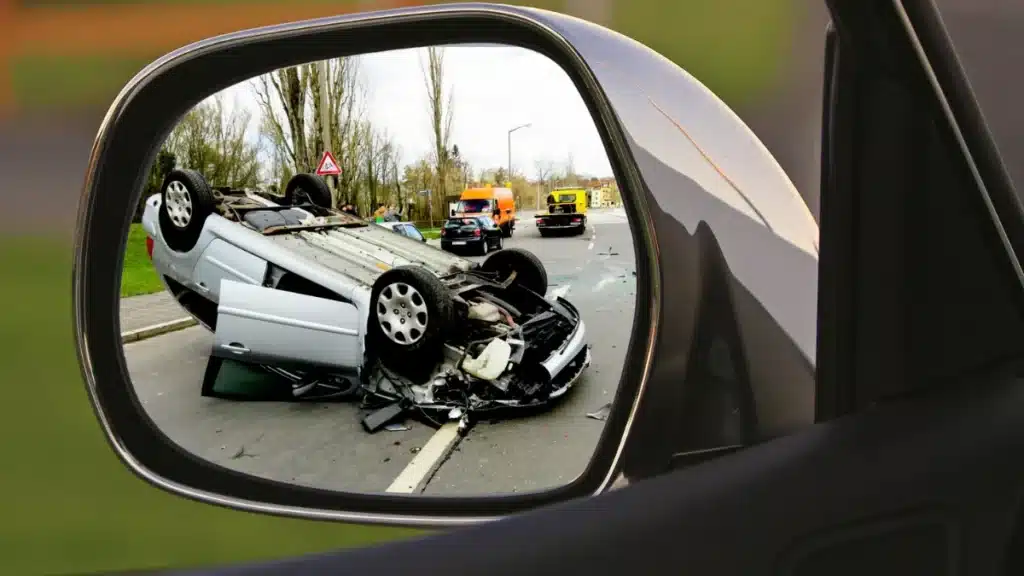
Common Types of Distracted Driving Accidents
Distracted drivers often fail to react to changing traffic conditions, which can lead to several types of crashes.
Rear-End Collisions
Drivers who are texting or looking away from the road may fail to notice stopped traffic ahead.
Intersection Accidents
Distracted drivers may run red lights or stop signs.
Lane Departure Accidents
Drivers who take their eyes off the road may drift into other lanes or oncoming traffic.
Pedestrian and Bicycle Accidents
Failure to notice pedestrians or cyclists can lead to devastating collisions.
Injuries Commonly Caused by Distracted Driving Crashes
Distracted driving accidents often occur suddenly and at high speeds, leading to serious injuries.
Traumatic Brain Injuries
Head trauma may result in permanent neurological impairment.
Spinal Cord Injuries
Damage to the spine can cause long-term mobility issues or paralysis.
Internal Organ Damage
Blunt-force trauma may cause internal bleeding and life-threatening injuries.
Broken Bones
Victims frequently suffer fractures to the arms, legs, ribs, and pelvis.
Many victims require extensive medical treatment, rehabilitation, and long-term care.
How Distracted Driving Is Proven in an Accident Case
Proving that a driver was distracted often requires a detailed investigation.
Evidence may include:
- Cell phone records
- Police accident reports
- Witness statements
- Traffic camera or surveillance footage
- Vehicle black box data
An experienced attorney can help gather and analyze this evidence to establish liability.
Compensation Available to Distracted Driving Accident Victims
Victims injured in distracted driving accidents may be entitled to compensation for:
- Medical expenses and future treatment
- Rehabilitation and therapy costs
- Lost wages and diminished earning capacity
- Pain and suffering
- Emotional distress
- Permanent disability
In severe cases, damages may be substantial due to the long-term impact of the injuries.
Why Insurance Companies Often Dispute Distracted Driving Claims
Insurance companies frequently attempt to minimize payouts by:
- Denying that the driver was distracted
- Claiming the victim shares responsibility
- Questioning medical treatment or injury severity
- Offering early settlement offers
At Tennessee Accident Law, we work to gather evidence, challenge these tactics, and protect our clients’ rights.

How Tennessee Accident Law Helps Distracted Driving Accident Victims
Our firm has extensive experience representing victims of serious car accidents across Tennessee. When you work with us, we:
- Conduct thorough accident investigations
- Collect evidence proving distracted driving
- Work with medical and accident reconstruction experts
- Handle negotiations with insurance companies
- Prepare cases for trial when necessary
- Charge no fees unless we recover compensation
We represent only injured victims and their families.
Speak With a Tennessee Car Accident Lawyer Today
If you or a loved one was injured in a distracted driving accident in Tennessee, you deserve experienced legal representation and strong advocacy.
Contact Tennessee Accident Law today by completing our free case evaluation form or call 615-212-9866 to speak with an experienced Tennessee car accident lawyer.
Frequently Asked Questions About Distracted Driving Accidents in Tennessee
1. What is considered distracted driving in Tennessee?
Distracted driving refers to any activity that takes a driver’s attention away from safely operating a vehicle. This includes texting, using a cellphone, adjusting navigation systems, eating, interacting with passengers, or any activity that takes a driver’s eyes, hands, or mind off the road. Even a brief distraction can lead to a serious accident.
2. Is texting while driving illegal in Tennessee?
Yes. Tennessee’s Hands-Free Law prohibits drivers from holding a cellphone while driving. Drivers are not allowed to text, email, use social media, watch videos, or record video while operating a vehicle. Violating this law can result in fines and points on a driver’s license.
3. How can distracted driving be proven after an accident?
Proving distracted driving often requires investigating several types of evidence, including:
- Cell phone records
- Police accident reports
- Witness statements
- Traffic camera or surveillance footage
- Vehicle data from electronic systems
This evidence may show that the driver was using a phone or otherwise distracted at the time of the crash.
4. What types of accidents are commonly caused by distracted drivers?
Distracted drivers frequently cause accidents such as:
- Rear-end collisions
- Intersection crashes from running red lights or stop signs
- Lane departure accidents
- Pedestrian and bicycle collisions
Because distracted drivers often fail to react in time, these crashes can occur suddenly and at high speeds.
5. What injuries are common in distracted driving accidents?
Distracted driving crashes often result in serious injuries, including:
- Traumatic brain injuries
- Spinal cord injuries
- Broken bones
- Internal bleeding and organ damage
- Neck and back injuries
Many victims require extensive medical care and long-term rehabilitation.
6. Can I still recover compensation if I was partially at fault?
Possibly. Tennessee follows a modified comparative fault rule, which means you may still recover compensation if you are less than 50% responsible for the accident. However, your compensation may be reduced based on your percentage of fault.
7. What compensation can victims recover after a distracted driving accident?
Victims may be entitled to compensation for:
- Medical expenses and future treatment
- Lost wages and reduced earning capacity
- Pain and suffering
- Emotional distress
- Rehabilitation and therapy costs
- Permanent disability
The amount of compensation depends on the severity of the injuries and the circumstances of the crash.
8. How long do I have to file a distracted driving accident claim in Tennessee?
Tennessee generally has a one-year statute of limitations for personal injury claims related to car accidents. This means victims typically have one year from the date of the accident to file a lawsuit. Because this is a relatively short timeframe, it is important to speak with a lawyer as soon as possible.
Sources
- National Highway Traffic Safety Administration (NHTSA) – Information on distracted driving and crash statistics.
https://www.nhtsa.gov - Tennessee Department of Safety and Homeland Security – Tennessee Hands-Free Law and driver safety information.
https://www.tn.gov/safety - Centers for Disease Control and Prevention (CDC) – Research on distracted driving and injury prevention.
https://www.cdc.gov